






Japanese and Korean e-commerce markets: high value, high standards, high threshold
In the global cross-border e-commerce landscape, Japan and South Korea have always been coveted high-value markets. Japan is the fourth largest e-commerce market in the world, with per capita e-commerce consumption among the highest in the world; South Korea's Internet penetration rate is close to 100%, and its e-commerce infrastructure is world-leading.
But high value also means high threshold. Japanese and Korean consumers have extremely high requirements for quality, service and cultural adaptation, and language barriers are often the most direct factor that discourages them from leaving. In the Japanese and Korean e-commercemarkets, Line is an important social communication platform spanning Japan and Thailand (Korea also has a user base). Mastering Line's translation capabilities is the first step to enter these markets.
Line platform features: more than just a chat tool
Line was launched by South Korea's NHN Group in 2011. It has approximately 92 million monthly active users in Japan (coverage rate exceeds 73%), and also has a large number of users in Thailand, Taiwan, Indonesia and other regions. For cross-border e-commerce sellers, Line’s core functions include:
- LINE Official Account: Similar to the WeChat official account, merchants can carry out brand promotion, customer service and content push.
- LINE Shopping: Built-in e-commerce platform, data connection with Japan’s mainstream e-commerce platform.
- Line Pay: Mobile payment function, deeply integrated with major banks and credit cards in Japan.
- Line Message: One-on-one instant messaging is the main channel for customer service communication.
In the Japanese market, communication between consumers and businesses relies heavily on Line. Many Japanese consumers will consult with merchants through Line before purchasing, and even confirm orders and logistics information through Line after payment. If you are a Japanese e-commerce, Line customer service capability is one of your core competitiveness.
Line translation needs analysis
Special challenges of Japanese translation
Japanese is recognized as one of the most difficult languages to learn. The system of honorifics (respectful words, humble words, solemn words) is complex, and the same sentence requires different expressions for different objects. In addition, the Japanese habit of omitting subjects and ambiguous expressions ("that..." "probably...") have brought considerable challenges to machine translation.
In the e-commerce scenario, the difficulties in Japanese translation mainly focus on:
- Professionalism and accuracy of product description
- The use of honorifics in customer service responses
- Japanese consumers’ unique understanding of “euphemistic expression”
- Japanese-specific formats such as address and name
Notes on Korean translation
Korean and Japanese have similarities in grammatical structure (subject-object-predicate word order), and they also have complex honorific systems. Although Korean translation tools are relatively mature, you still need to pay attention to the following in e-commerce scenarios:
- Grades of age/status honorifics in Korean
- Shopping vocabulary habits of Korean consumers
- Korea’s unique promotional cultural expression
Line translation for Thai market
In addition to Japan and South Korea, Thailand is also an important market for Line. Thai translation is no less difficult than Japanese - Thai has five tones and a unique writing system, and the localized expression of e-commerce terminology also requires special attention.
How to use Line translation tool
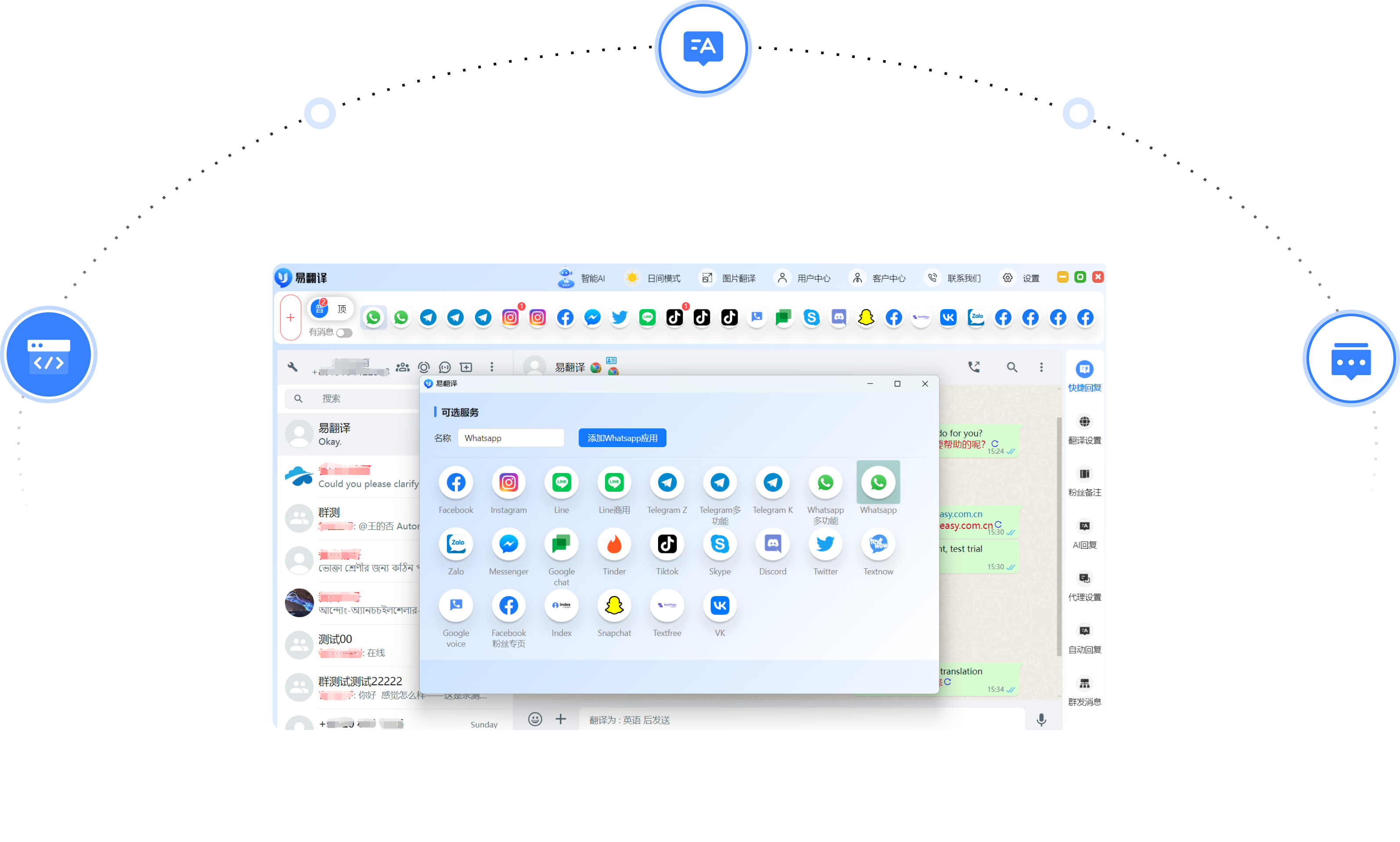
Choose a professional translation platform that supports Line
Line’s closed ecosystem prevents many general translation tools from being directly integrated. Line translationrequires the use of a platform that specifically supports Line message translation. When choosing, focus on the following abilities:
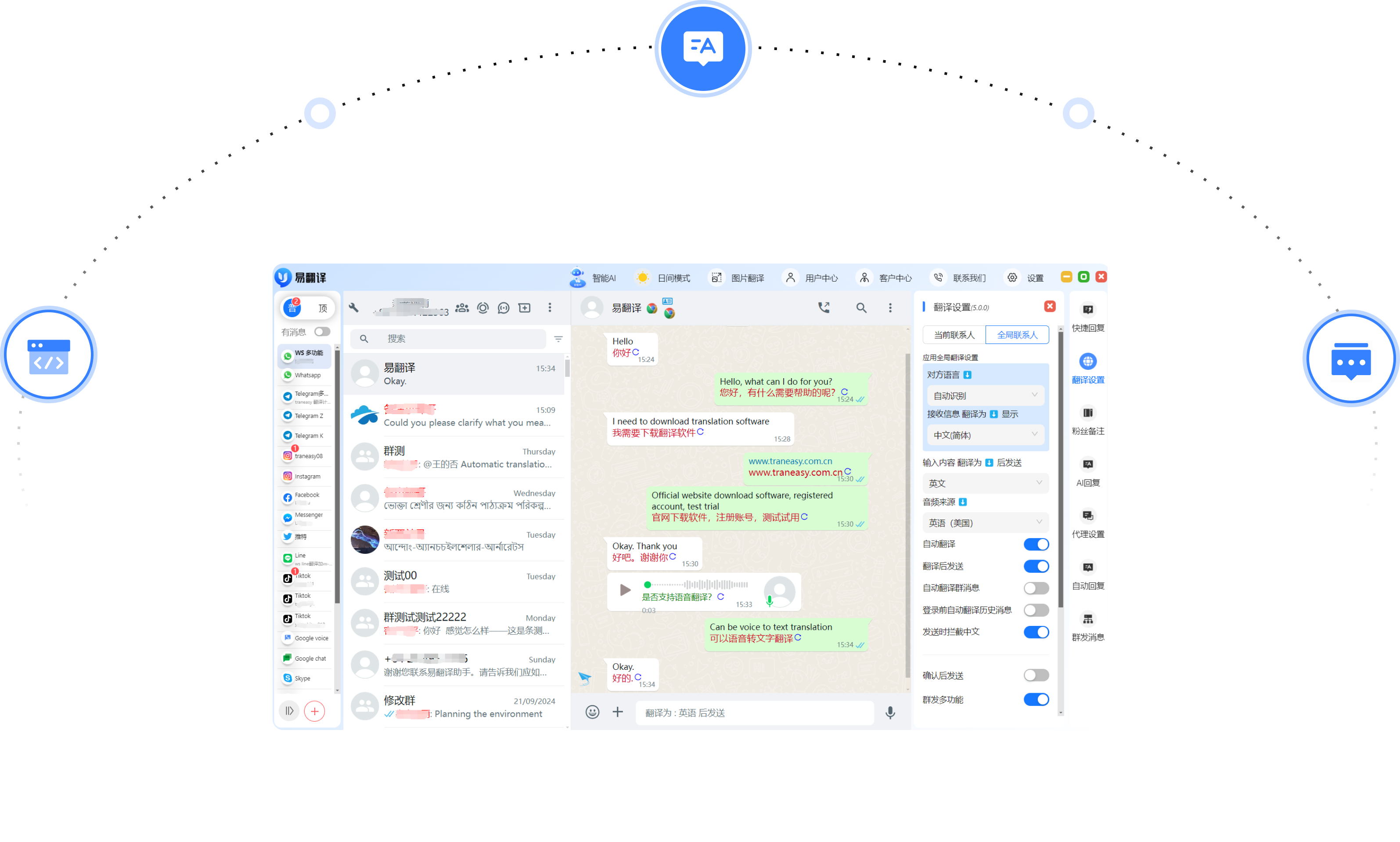
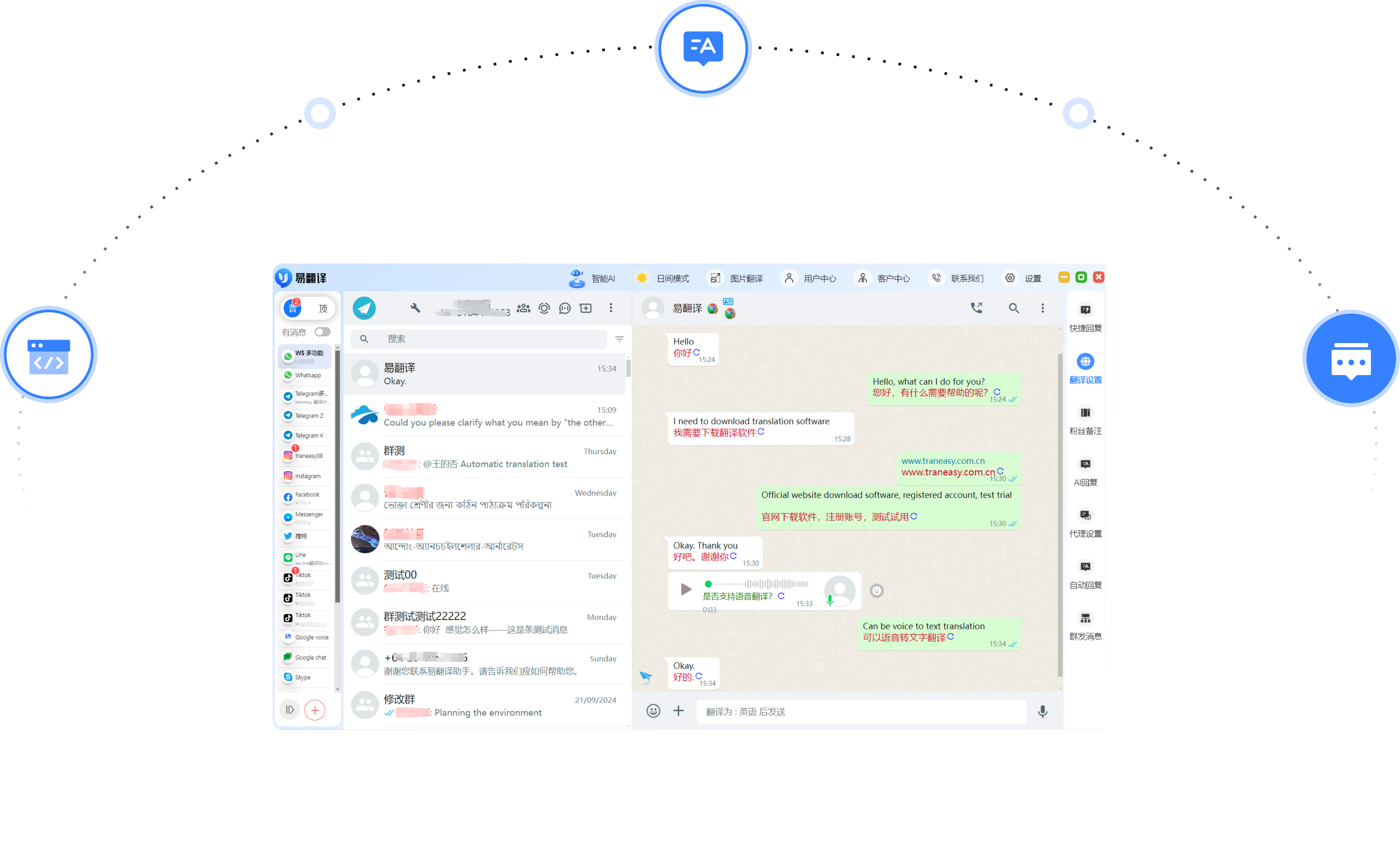
- Real-time two-way translation: Japanese/Korean messages sent by customers are automatically translated into Chinese, and your Chinese replies are automatically translated into Japanese/Korean.
- Multi-engine support: It is recommended to use DeepL or ChatGPT engine for Japanese translation (better contextual understanding), while Google Translate and Papago for Korean translation have their own advantages.
- Customer Management: Record the communication history and preference information of Japanese/Korean customers.
Practical steps for translation settings
Step 1: Bind the Line account in the translation platform. Some platforms support translation binding between Line official accounts and ordinary accounts.
Step 2: Set up translation language pairs. Depending on your target market, select "Japanese↔Chinese" or "Korean↔Chinese". If you serve both the Japanese and Korean markets, make sure the platform supports multiple language pairs working at the same time.
Step 3: Choose a translation engine. For Japanese customer service scenarios, it is recommended to try ChatGPT or DeepL engines first, as they perform better in Japanese honorifics and e-commerce terminology. For Korean, you can test multiple engines and choose the one with the best performance.
Step 4: Turn on automatic translation mode. After the setup is completed, all messages sent and received will be automatically translated without manual operation.
Notes on customer service culture in Japanese and Korean markets
Translation is just a tool, cultural understanding is the key. The following are the cultural differences that need special attention when doing customer service in the Japanese and Korean markets:
Japanese market
- Politeness comes first: Japanese consumers have extremely high requirements for service attitude. Even when you encounter unreasonable customers, remain polite and professional. Be sure to check the tone of your translated responses to avoid being too direct or blunt.
- Attention to detail: Japanese customers read product descriptions and responses carefully. Any ambiguity can lead to mistrust. Try to be precise when translating and don’t be oversimplified.
- Apology Culture: In Japanese business culture, it is standard practice to apologize first when encountering a problem. Even if the responsibility is not yours, expressing your apology first and then explaining the situation often results in better communication.
- Response time: Japanese consumers have high expectations for response speed. During working hours, it is recommended to reply within 30 minutes; during non-working hours, set automatic reply.
Korean market
- Age/Status Awareness: The use of honorifics in Korean is strict, but when communicating through a translation tool, it is recommended to default to polite (존댓말) to ensure that customers are not offended.
- Quick decision-making: Compared with Japanese consumers, Korean consumers make shopping decisions faster and have a stronger need for instant communication. Make sure the translation tool is responsive enough.
- Social media sensitivity: Korean consumers are active on various social media and have a strong word-of-mouth effect. A bad customer service experience can spread quickly. Be sure to pay attention to the quality of every communication.
Thailand Market
- Relaxed and Friendly: Thailand’s business culture is relatively relaxed. Customer service communication does not need to be too formal, but basic courtesy and respect must be maintained.
- Avoid conflict: Thai culture emphasizes harmony and avoids directly expressing negative emotions or causing confrontation with customers in communication.
- Flexibility: Thai consumers have a relatively high tolerance for logistics timeliness and after-sales policies, but they value communication attitude and sincerity of service more.
Advanced techniques to improve conversion rate in Japanese and Korean markets
Mastering translation tools is only the foundation. The following advanced techniques can help you further improve the conversion rate of Cross-border e-commerce customer service:
- Build an exclusive vocabulary library for the Japanese and Korean markets: Prepare special response templates for common questions and concerns of Japanese and Korean consumers.
- Pay attention to seasonal marketing nodes: Japan’s three rewards (first sale, middle dollar, and year-end), Korea’s Autumn Festival and Spring Festival are all important promotion nodes.
- Localized product description: Not just translation, but localization. Use expressions that are consistent with Japanese and Korean consumer habits to describe the product.
- Use the mass messaging function: When new products are launched or limited-time promotions occur, use the multilingual mass messaging function of the translation platform to reach target customers.
Conclusion
The high value of the Japanese and Korean e-commerce markets deserves the serious investment of every cross-border seller. Line is the core communication platform for these two markets, and mastering its translation and communication skills is the key to opening the market.
Language has boundaries, but business opportunities have no boundaries. By choosing a set of professional Line translation tools and an in-depth understanding of Japanese and Korean culture, your cross-border business will find its own growth space in these high-value markets.
To learn more about translation functions, please visit the official website of Traneasy: www.yfanyi.com